A primer for funders: climate action that works for neurodivergence, disability and mental health in the UK, through a greater understanding of the impacts
Climate change and environmental degradation in the UK are already shaping the lives of Disabled people, neurodivergent people, and people with mental health conditions. These groups often face barriers created by the way environments, services and systems are designed.
This report makes the case for why inclusive design must sit at the heart of climate action.
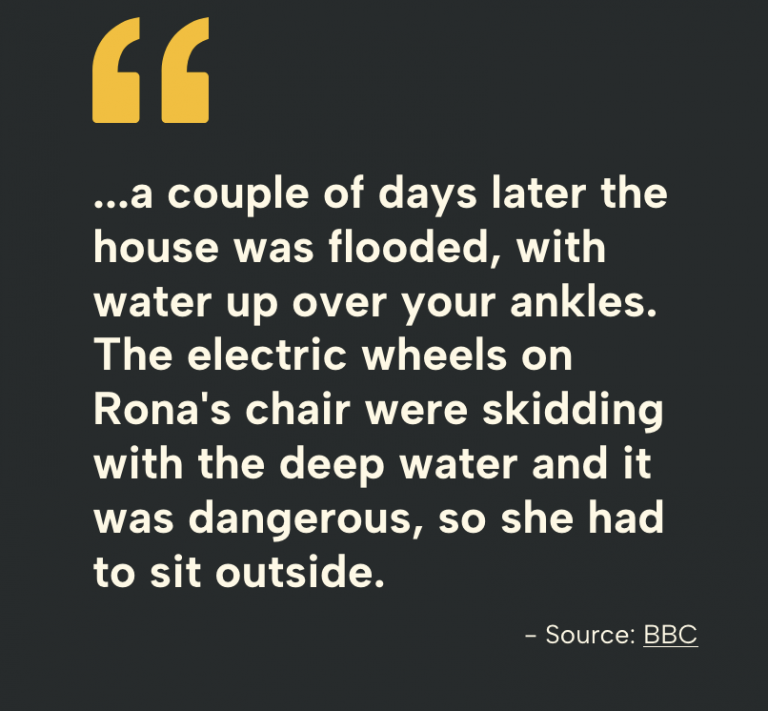
Heat, flooding, cold, air pollution, and toxic chemicals do not affect everyone equally. This section maps the direct impacts on Disabled people, neurodivergent people, and people with mental health conditions — and identifies where well-designed climate action can actively improve lives.
Eco-anxiety and ecological grief are growing. But the mental health impacts of climate change go further than anxiety — rising heat, flooding, and environmental degradation are driving new conditions and worsening existing ones. This section sets out what the data tells us, and why this intersection is underfunded and under-researched.
Disabled people, neurodivergent people, and people with mental health conditions who also face marginalisation due to race, gender, or sexuality carry compounded climate vulnerability. This section examines environmental racism, gender justice, and LGBTQIA+ exposure and why climate spaces are not yet designed to hear these voices.
Action at the intersection of disability, mental health, neurodiversity, and climate is emerging but uneven. No funding specifically dedicated to disability and climate currently exists. This section spotlights the organisations doing this work and calls on funders to go further.
Impatience Earth works with philanthropic foundations and businesses to take bolder decisions on climate. We can help you understand the findings of this report, identify where your funding can make the greatest impact at the intersection of climate and social justice, and design programmes that centre the communities most affected.